Tracked-in soil
Vacuuming and agitation loosen grit and dry particulate matter that settle around the base of the pile, particularly near entrances and along regular walking routes.
Serving Bolton, England & surrounding areas
Mon–Fri 8am–6pm · Sat 9am–2pm
Refresh carpets with a low-moisture treatment that leaves rooms ready to use sooner, without soaking the fibres or underlay.
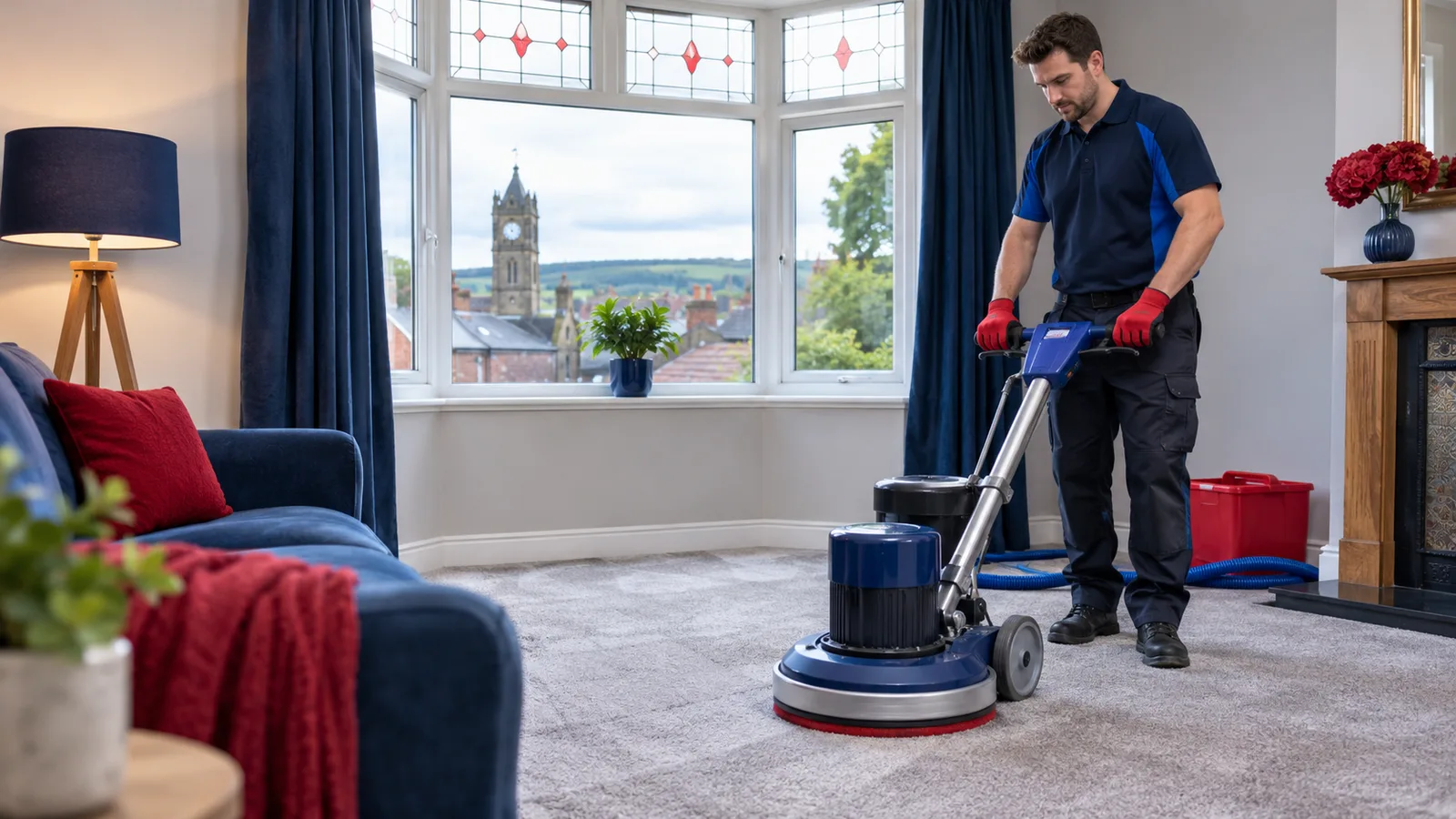
Dry carpet cleaning Bolton households and businesses can rely on uses controlled amounts of moisture to lift everyday soil without saturating the carpet. It is a practical choice when a room needs to return to use quickly, when ventilation is limited, or when the carpet construction calls for a cautious approach.
The correct treatment depends on the fibre, backing, pile and condition of the floor covering. Before work starts, we inspect the carpet, discuss stains and test uncertain fibres or dyes in an inconspicuous area. Loose grit is removed with thorough vacuuming because dry soil can abrade fibres when people walk over it. A suitable compound or encapsulation product is then worked through the pile and recovered once it has captured the soil.
We are an experienced carpet team in Bolton that matches the method to the carpet rather than applying one treatment to every room. That matters in a local mix of terraced houses, family homes, flats, offices and rental properties, where access, room use and carpet construction can differ considerably.
Request a CallbackDry cleaning is well suited to occupied homes, offices, shops and rental properties where long drying periods would be inconvenient. Bolton's wet and cool weather can make natural indoor drying slower, especially during autumn and winter, so using less liquid can help rooms return to normal sooner.
The method can also suit fitted carpets where overwetting may affect the backing, adhesive or flooring beneath. Wool, wool-rich blends and natural fibres require particular care, while polypropylene and nylon can respond differently to cleaning agents. Fibre identification, colourfastness testing and controlled application are therefore part of a sound process.
Dry cleaning is not automatically the right answer for every carpet. Heavy contamination, flood water, extensive odour or residues deep in the backing may call for another treatment or specialist assessment. We explain what the selected method is likely to improve before starting, including any permanent bleaching, wear, pile distortion or old staining that cleaning cannot reverse.
Request a Callback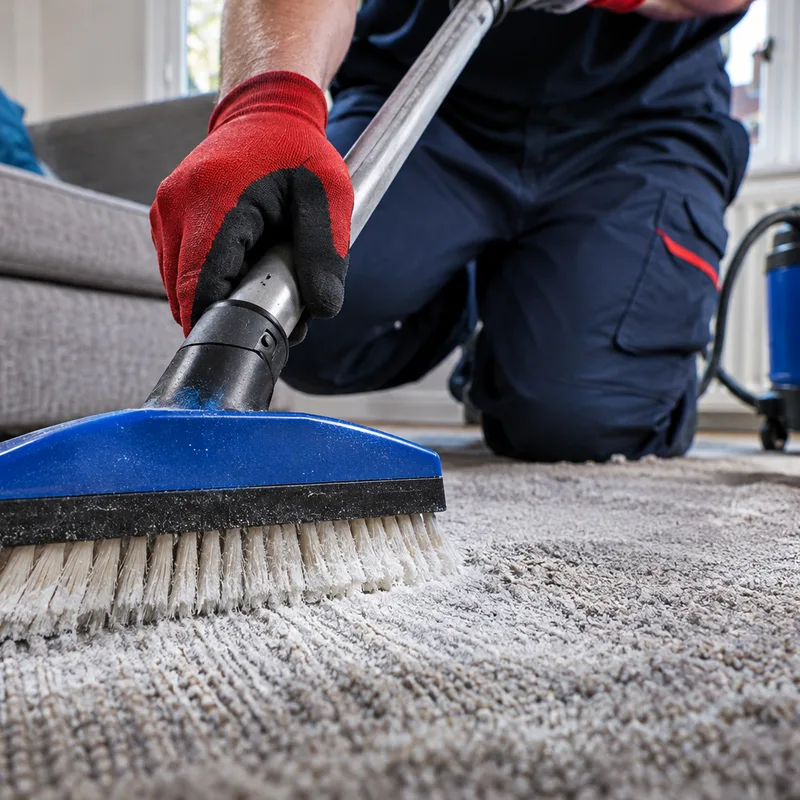
Vacuuming and agitation loosen grit and dry particulate matter that settle around the base of the pile, particularly near entrances and along regular walking routes.
Professional agitation separates fibres and removes bonded soil, helping a suitable carpet look cleaner and more even. Existing wear or permanent pile damage will remain.
Tea, coffee, food and general marks are assessed individually. The spotting agent is chosen for the fibre and stain rather than applied as a universal chemical.
Careful dosing and recovery reduce the risk of sticky product remaining in the pile, which can otherwise attract fresh dirt.
Low-moisture cleaning is useful when bedrooms, reception areas or workspaces cannot remain unused for an extended drying period.
Periodic dry cleaning can support a planned maintenance schedule by removing surface and pile soil before it becomes more difficult to treat.
We identify the likely fibre and construction, assess wear and staining, check access and choose products compatible with the carpet. Suspect dyes or delicate fibres receive a colourfastness test.
Movable light items are cleared by agreement, edges are checked and the carpet is vacuumed methodically. Removing loose grit first improves contact between the cleaning product and the fibres.
Suitable spots are treated according to their likely source. Protein, tannin, oil and dye stains need different chemistry, and excessive rubbing is avoided because it can distort the pile.
A controlled amount of product is distributed and worked into the carpet with professional agitation equipment. The product surrounds and releases soil while keeping moisture use low.
Released soil and dried product are recovered by vacuuming as required by the system. We inspect the finish, discuss any remaining permanent marks and explain when the room can return to normal use.
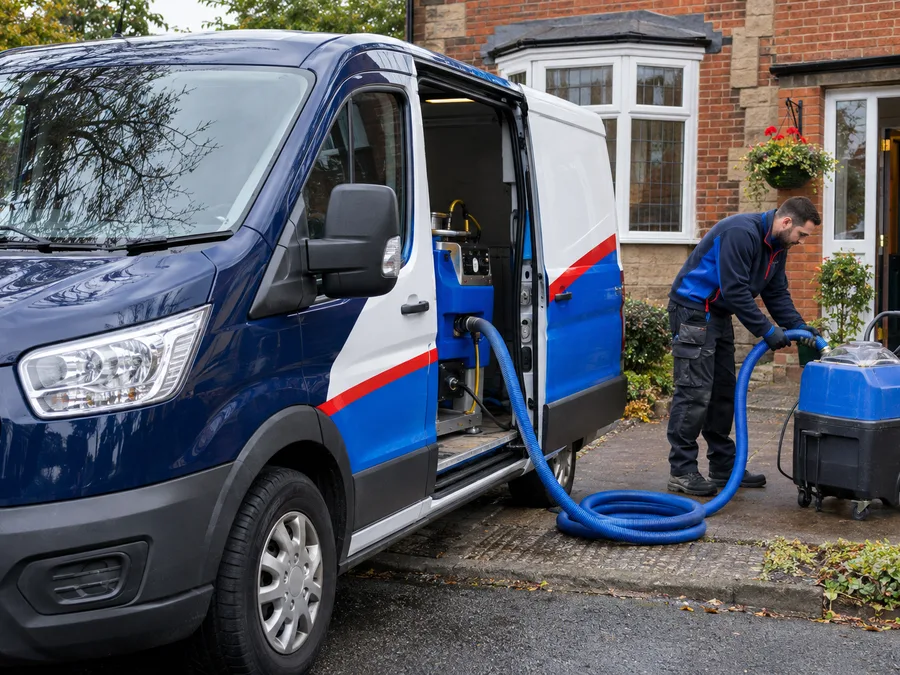
The practical details change with the property. In central Bolton terraces and converted buildings, narrower stairs and limited parking can affect equipment access, so the visit should be planned around entry points and room layout. In Halliwell's mix of terraced and semi-detached housing, busy through-routes inside the home often need close attention around doorways and stairs.
Family homes in Heaton and Lostock may have larger carpeted areas, connecting rooms and heavier use around lounges or hallways. Offices and commercial premises near Bolton town centre often need work arranged around staff, customers or opening times. Low-moisture cleaning can reduce the time these spaces are out of use, although actual drying still depends on fibre type, product application, airflow and indoor temperature.
Please mention upper-floor access, restricted parking, large furniture, delicate rugs or known stains when arranging the work. Accurate details help us allow suitable time and bring the right treatment products and machinery.
Request a CallbackDry carpet cleaning in Bolton typically costs about £35 to £60 for one standard room, while several rooms may cost roughly £90 to £180. Minimum visit charges can apply, and stairs, large spaces or commercial work are priced separately. Final cost depends on carpet area, fibre, soil level, staining, furniture movement, access and any specialist treatment required. These figures are general estimates rather than a fixed quotation. The exact cost is confirmed after the carpet, access and requested scope have been assessed.
Request a CallbackA good result starts with an honest assessment. Cleaning can remove loose soil, improve many spots and brighten a carpet, but it cannot repair fibre loss, reverse sun fading or restore pile crushed by years of traffic. Some stains chemically alter dyes, and pet contamination that has entered the backing may need treatment beyond routine surface cleaning.
Before the appointment, pick up small objects and make us aware of loose seams, damaged joins or unstable furniture. There is usually no need to empty the whole room. We can agree what can be moved safely and clean around heavy or fragile items where necessary. After treatment, keep outdoor footwear off the carpet until it is ready for use and follow any ventilation guidance given on the day.
Homes with children, pets, allergies or particular product concerns should mention them when arranging the visit. This allows the proposed treatment and practical precautions to be discussed in advance. Product suitability, correct dilution and effective recovery matter more than broad labels such as “natural” or “chemical-free”.
Request a CallbackDescribe the rooms, carpet type and main concerns, and we will recommend a suitable low-moisture treatment with a clear scope before work starts.
Call for a Free QuoteMany low-moisture carpets can return to light use soon after treatment, but the exact timing depends on the selected system and fibre. Encapsulation treatments may require a short drying period before final vacuum recovery, while absorbent compound systems use very little liquid. Indoor temperature and airflow also matter, particularly during Bolton's cooler, wetter months. We give carpet-specific guidance at the end of the visit.
Dry or low-moisture cleaning can suit many wool carpets when the fibre, dyes and backing have been assessed first. Wool is sensitive to excessive alkalinity, heat and agitation, so compatible chemistry and controlled application are essential. We inspect the construction and test uncertain colours before deciding whether dry cleaning is appropriate.
Dry cleaning cannot guarantee removal of every stain because some substances permanently change the carpet dye or damage the fibre. Tea, coffee, oil and tracked soil often respond to professional treatment, but bleach, strong acne products, old dyes and sun fading may be permanent. Identifying the likely stain and fibre helps determine the safest treatment.
You usually need to remove only small, fragile and personal items unless a different arrangement is agreed. Light furniture may be moved where it is safe to do so, while wardrobes, full bookcases and delicate pieces are normally cleaned around. Bolton terraces and flats can have tighter access, so mentioning narrow stairs or restricted entry in advance helps us plan.
Low-moisture cleaning is often suitable for commercial carpet tiles and fitted carpets because it can limit disruption and lengthy drying. The decision still depends on the fibre, backing, adhesive, soil level and operating hours. Work in Bolton town centre premises can be arranged with access and customer traffic in mind.
The right interval depends on foot traffic, outdoor footwear, pets, occupants and the carpet manufacturer's care guidance. Entrance routes and commercial areas usually need attention sooner than lightly used bedrooms. Regular vacuuming with suitable equipment helps control abrasive grit between professional visits.
Routine dry cleaning may be insufficient when contamination has reached the underlay, backing or subfloor. Pet urine can leave salts and odour beneath the visible pile, while flood water may create hygiene concerns that require specialist assessment. The source, extent and affected layers should be established before any method is recommended.
Tell carpet cleaning bolton about the rooms, access and stains you want assessed. We will discuss whether dry cleaning is suitable and set out the proposed treatment before the appointment.