
Sofas and armchairs
Cleaning is matched to the upholstery fibre, colour stability and construction. Particular attention is given to headrests, arms and seat fronts where body oils and contact soil tend to build up.
Serving Bolton, England & surrounding areas
Mon–Fri 8am–6pm · Sat 9am–2pm
Professional cleaning for sofas, armchairs, carpets and rugs, with careful fabric checks and a clear plan agreed before work begins.
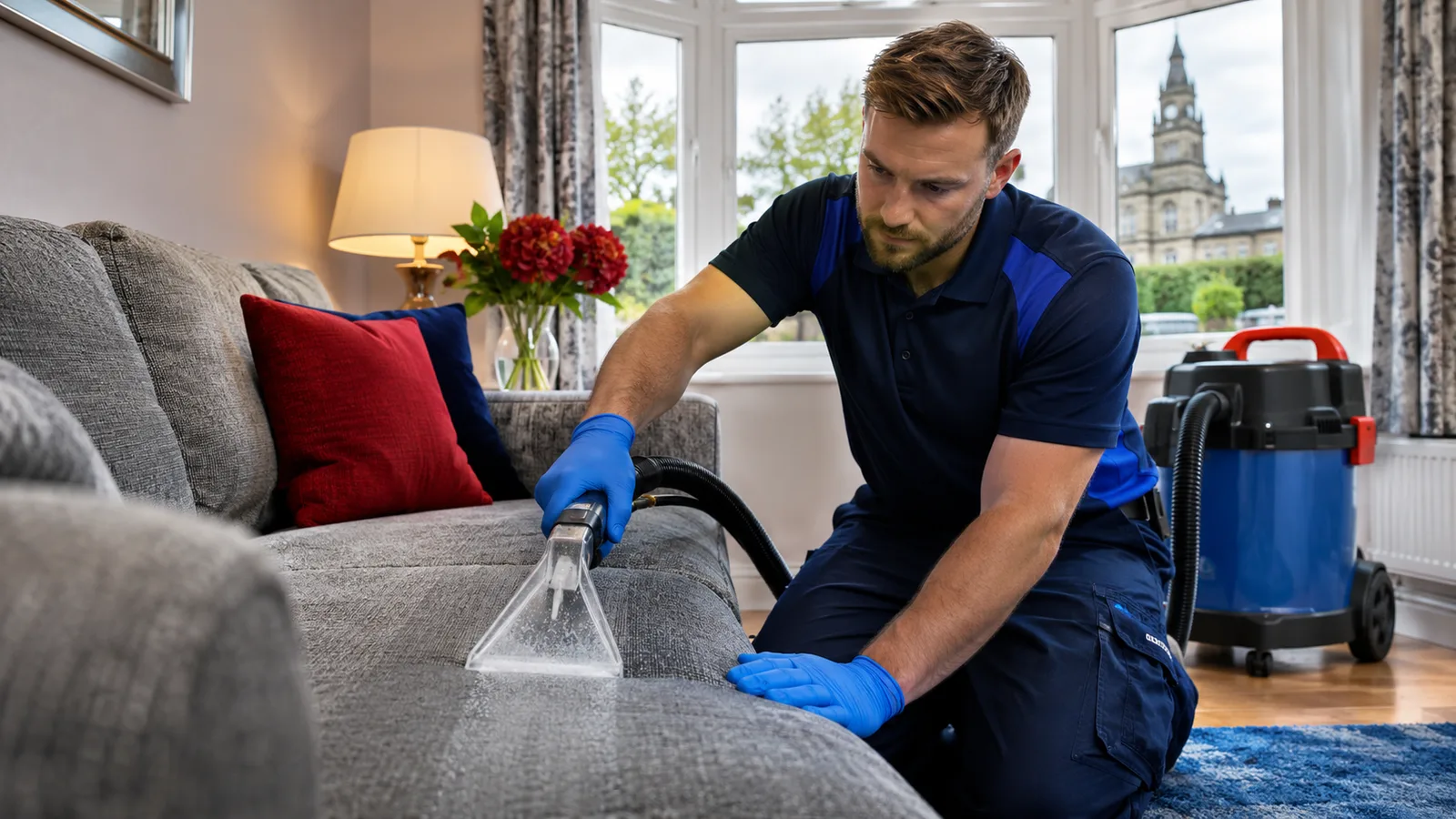
If you are comparing upholstery carpet cleaners Bolton residents can rely on, the method matters as much as the equipment. Different fibres, dyes and constructions respond differently to moisture, heat and cleaning products. A sound job starts by identifying the material, inspecting wear and testing an inconspicuous area before the main clean.
Our work can cover fitted carpets, loose rugs, sofas, armchairs, dining chairs and other suitable fabric furnishings. We assess each item separately rather than assuming one process will suit everything in the room. For every job, Bolton's local carpet service provides practical advice, careful preparation and straightforward communication about stains, drying and likely results.
Bolton has a varied mix of properties and room layouts. Terraced homes in Halliwell can have tight stairs and limited working space, while family properties in Lostock may contain larger carpeted areas and substantial corner sofas. Flats around the town centre can require extra planning for parking, access and equipment movement. These details affect how the appointment is organised, so they should be discussed when the work is booked.
Professional cleaning can remove embedded soil, food residue, body oils and everyday odours that ordinary vacuuming leaves behind. Permanent fibre damage, bleaching, dye loss and old abrasion cannot be cleaned away. We explain that distinction before treatment and set realistic expectations for each item.
Request a CallbackThe inspection begins with fibre and construction. Upholstery may carry a manufacturer's care label with a cleaning code, but the label is only one part of the assessment. We also check colourfastness, pile distortion, weakened seams, previous treatments and areas where the fabric has worn thin. Natural fibres such as wool, cotton and viscose often need tighter control of moisture and agitation than many synthetic fibres.
Carpets are checked for fibre type, backing, installation and condition. Wool carpet can be sensitive to high alkalinity and excessive heat. Polypropylene is generally water resistant, although oily marks can be persistent. Loose rugs need separate attention because unstable dyes, fringes or absorbent foundations may make standard on-site extraction unsuitable.
Once the material is understood, dry soil is removed with thorough vacuuming. Suitable pre-treatment is applied to loosen bonded soil, then agitated where the fabric allows. Hot water extraction is commonly used for compatible carpet and upholstery, while low-moisture methods may be selected when the construction, access or drying conditions call for them. Spot treatments are chosen for the type of contamination rather than applied as a general-purpose chemical.
Bolton's wet and cool periods can slow evaporation, especially in rooms with limited airflow. Heating and ventilation should therefore be planned before the appointment. Furniture and carpets must be left to dry fully before normal use, and protective tabs or blocks may be placed beneath suitable furniture legs to reduce the chance of colour transfer or rust marks.
Request a Callback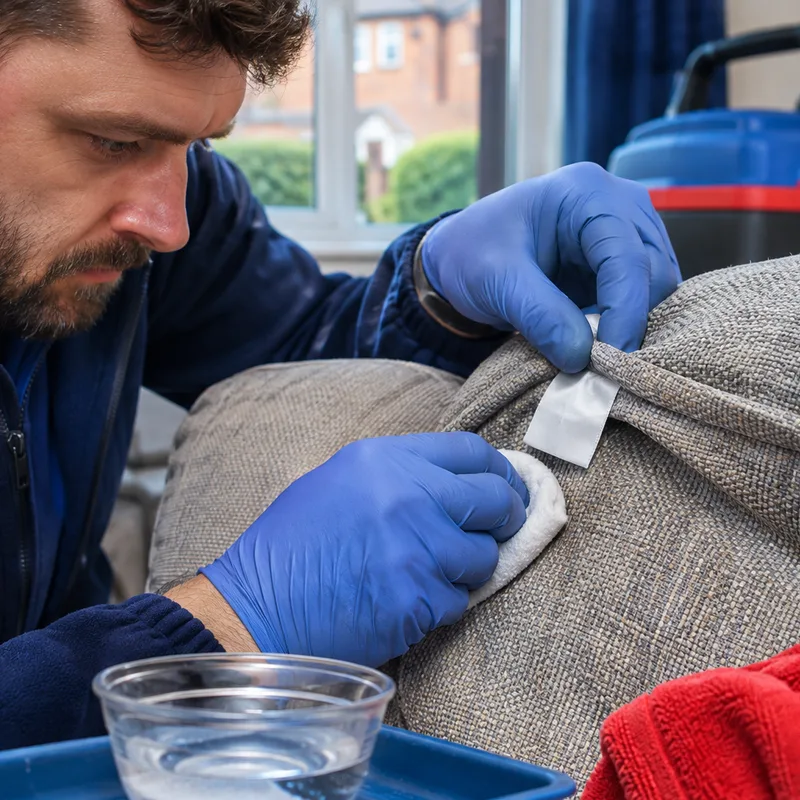
Cleaning is matched to the upholstery fibre, colour stability and construction. Particular attention is given to headrests, arms and seat fronts where body oils and contact soil tend to build up.
Vacuuming, suitable pre-treatment, agitation and controlled extraction can remove soil held within the pile. Edges, traffic lanes and accessible areas around furniture are considered during the inspection.
Chair seats and backs can collect food marks and general handling soil. The fabric, padding and trim are checked before moisture or spot treatment is introduced.
Each rug is assessed for fibre, backing, dye stability and fringe condition. Some rugs are suitable for on-site cleaning, while delicate or unstable pieces may need a different approach.
Food, drink, grease, mud and other marks require different chemistry. Treatment can improve many stains, but results depend on the substance, fibre and any previous cleaning attempts.
Cleaning can address odours associated with removable contamination. Odour that has reached carpet underlay, upholstery filling or flooring may require a broader assessment and cannot always be resolved by surface cleaning.
We establish what needs cleaning, the approximate sizes, known stains and any access constraints. For properties in areas such as Horwich or Westhoughton, confirming parking and the route into the property helps us plan equipment movement.
Fibres, labels, seams, backing and colour stability are checked. Existing damage and stains with uncertain outcomes are identified before the full treatment starts.
Dry soil is vacuumed away and light movable items are cleared where agreed. Pre-treatment and specialist spot products are selected for the material and type of soiling.
The surface is cleaned using controlled extraction or an appropriate low-moisture process. Moisture, agitation and product strength are adjusted rather than applied uniformly.
The cleaned item is checked, the pile or upholstery nap is groomed where suitable, and drying advice is provided. Good airflow and moderate warmth help prevent unnecessary delays.
Professional cleaning in Bolton typically starts at about £30 to £60 for an armchair, £60 to £140 for a sofa, and £40 to £90 for an average room of carpet. Minimum booking charges may apply, while large rugs, corner sofas or several carpeted rooms cost more. Final pricing depends on dimensions, fibre type, staining, access, furniture movement and whether specialist treatments are appropriate. An exact cost is confirmed after the items and required work have been assessed.
Request a Callback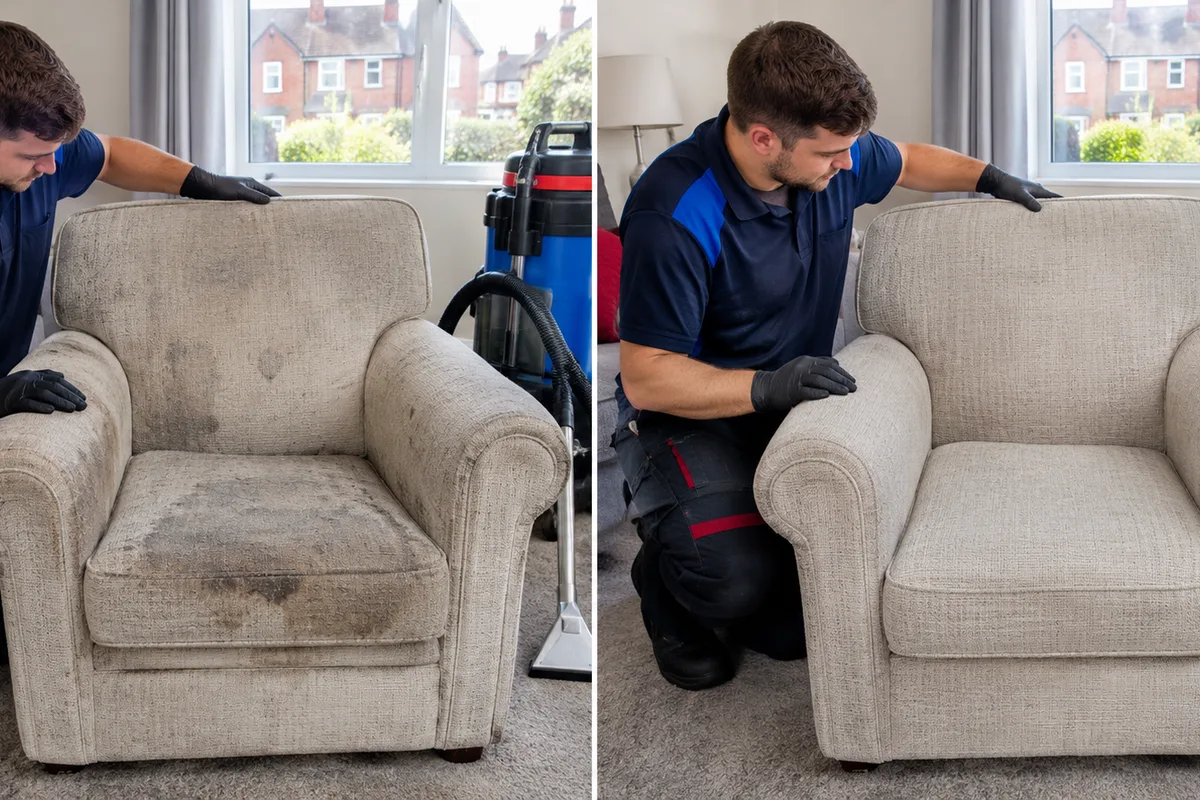
Remove small objects, fragile items and anything stored beneath the furniture before the cleaner arrives. Vacuuming is helpful, but avoid applying household stain removers immediately beforehand. Products containing bleaching agents or strong alkalinity can remove colour, set some stains or leave residues that interfere with professional treatment. If you have already used a product, tell us what it was.
Point out every area of concern, including old spills, pet accidents, loose seams and colour changes. The history of a mark helps determine the safest treatment. Please also mention allergies or product sensitivities before work starts so that the cleaning plan can be discussed.
After cleaning, keep children and pets away until the fibres are dry. Avoid replacing rugs, cushions or heavy furniture too soon. Ventilate the room when weather and security allow, use moderate heating in cooler conditions, and follow any advice about furniture protectors. Exact drying time varies with fibre density, room temperature, humidity, airflow and the amount of moisture required during cleaning.
Regular vacuuming with suitable equipment helps slow the return of abrasive dry soil. Deal with fresh spills by blotting rather than scrubbing. Rubbing can spread the spill, distort the pile and drive contamination further into upholstery filling or carpet backing.
Request a CallbackDescribe the carpets, rugs or upholstered furniture you want cleaned, including any stains and access concerns, and we can discuss the right approach before arranging the work.
Call for a Free QuoteDrying commonly takes several hours, but dense fibres, limited airflow and cool or damp weather can extend that time. Bolton's wetter conditions can make ventilation more difficult, so moderate heating and safe airflow should be arranged. The cleaner can give more specific guidance after assessing the materials and room.
No, stain removal cannot be guaranteed because some substances permanently alter a fibre or its dye. Bleach marks, sun fading, abrasion and certain old spills may remain after the contamination has been cleaned. Testing and an inspection show what treatment is safe and what result is realistic.
No, hot water extraction is suitable only when the fibre, dyes, construction and condition can tolerate controlled moisture. Viscose rugs, unstable dyes, delicate upholstery and damaged backing may require low-moisture treatment, specialist off-site care or a recommendation not to proceed.
Wool can often be professionally cleaned, but it needs wool-safe chemistry, controlled temperature and careful moisture management. Loose rugs also require checks for dye migration, shrinkage risk and fringe condition. The final method is chosen after inspection rather than from fibre type alone.
Small and fragile items should be removed before the appointment, while movement of larger furniture must be agreed in advance. Tight stairs in some Bolton terraced properties and restricted access in flats can limit what can be moved safely. Heavy, delicate or fully loaded furniture may need to remain in place.
Cleaning can reduce or remove odour when the source is accessible and the contamination has not spread deeply. Urine that has entered carpet underlay, flooring or thick upholstery filling may remain after surface treatment. An inspection is needed to identify the likely depth and set a realistic treatment plan.
The appointment length depends on the number and size of items, their condition, the cleaning method and access. A single sofa takes less time than several carpeted rooms with stain treatment and furniture movement. We assess the scope before work so you can plan around the visit.
Availability varies with the size of the job, access and current scheduling. Providing item sizes, fabric information, photographs of stains and your Bolton area at the first enquiry makes it easier to assess the work and offer a suitable appointment.
Tell us what needs attention and any concerns you have about stains, fibres or access. We will help you understand the suitable cleaning options and what to expect on the day.